


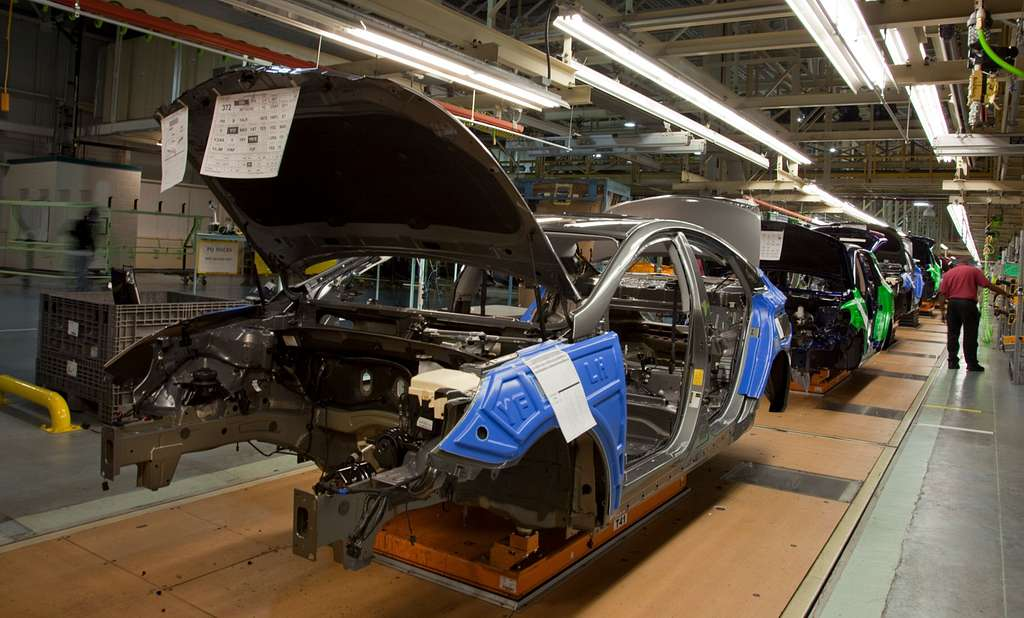
Angola has reached a major milestone in its industrial development with the launch of its first modern Angola Vehicle Assembly plant. On January 21, 2026, the Opaia Group formally opened the facility in Luanda that will assemble cars and buses locally — a development aimed at reducing the country’s reliance on imported vehicles and building up its domestic automotive sector.
The new assembly plant, operated by Opaia Motors, represents a key step toward establishing Angola’s automotive industry and creating local jobs while improving access to vehicles for businesses and consumers alike.
Opaia Motors Leads the Drive for Angola Vehicle Assembly
Opaia Motors, a subsidiary of the Opaia Group — a diversified Angolan conglomerate with interests in infrastructure and industrial projects — now runs the newly commissioned assembly facility in the capital city. The plant has an initial production capacity of 22,000 light vehicles and 1,000 buses per year, making it the country’s only operational vehicle assembly site.
By importing partially finished vehicle kits (CKD) for local assembly, Opaia aims to produce vehicles that are more affordable for Angolan consumers compared to fully imported cars. Passenger vehicles will be brought in from Chinese partners such as Chery Automobile Co. and Dongfeng Motor Group, while buses will be sourced from Volvo of Sweden. These assembled vehicles will be marketed under the Opaia Motors brand, strengthening local industry and reducing dependence on foreign imports.
The Importance of Local Vehicle Manufacturing
The move toward Angola Vehicle Assembly is part of a broader push to diversify the Angolan economy beyond oil revenues. For many years, the country has imported most of its cars and buses. By assembling vehicles domestically, Angola can keep more value inside its economy, develop manufacturing expertise, and train local workers in automotive skills.
Local assembly also supports public sector goals such as improved transport infrastructure, fleet modernization, and job creation in engineering and logistics. With Africa’s automotive industry gradually expanding, Angola’s new assembly line could position the country to compete with other regional manufacturing centers.
Electric Vehicles on the Horizon?
While the plant currently focuses on assembling internal combustion engine (ICE) vehicles and buses, Opaia Motors has indicated plans to explore electric vehicle production in the future. No timeline was given, but integrating EVs into Angola’s vehicle market could support environmental goals and reduce long‑term fuel dependence.
If the company moves into EV manufacturing, Angola could become one of the few African countries with local electric vehicle assembly capabilities — a development that might stimulate broader EV adoption and charging infrastructure investments nationwide.
Economic and Industrial Impact
The launch of Angola Vehicle Assembly comes at a time when many African nations are seeking to boost industrialization and cut the high costs associated with importing finished vehicles. By assembling cars domestically, Angola not only lowers the financial burden of imports but also strengthens its balance of trade and supports technology transfer through partnerships with established automotive companies.
The plant’s capacity to produce thousands of vehicles annually also creates opportunities for vehicle financing, after‑sales services, and parts distribution sectors to grow alongside the assembly operations.
For wider coverage of Africa’s automotive developments, platforms like AfricaCarNews track how domestic manufacturing and electric mobility are shaping the continent’s transport future.
A New Era for Cars in Angola
With the opening of the Opaia Motors facility, Angola Vehicle Assembly is no longer just a goal — it’s a reality. The plant’s launch represents a fresh chapter in Angola’s industrial journey, offering local workers, businesses, and consumers new opportunities in the automotive value chain.
As production ramps up and plans for future EV assembly unfold, Angola’s automotive landscape could look very different in the years ahead.
Do you think domestically assembled vehicles will become more popular than imports in Africa? Share your thoughts in the comments and let’s discuss the future of cars on the continent!