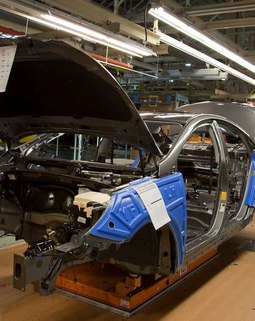



As the world pivots toward a green energy transition, Angola is making bold strides to move its economy beyond its traditional reliance on crude oil. While hydrocarbons have long defined the nation’s fiscal landscape, the year 2026 marks a historic turning point. On January 20, 2026, the official inauguration of the Opaia Motors facility in the Luanda-Bengo Special Economic Zone (ZEE) signaled the birth of a sophisticated Angola LEV Assembly Hub. This $150 million investment represents more than just a factory; it is a strategic pillar for industrial sovereignty and a blueprint for a sustainable, electrified future.
The Strategic Shift To Domestic Manufacturing
For decades, Angola’s automotive market was almost entirely dependent on imports. The new Angola LEV Assembly Hub changes this dynamic by localizing the production of light vehicles and buses. Located in the heart of Luanda's ZEE, the plant has an installed annual capacity of 22,000 light vehicles and 1,000 buses.
While initial production focuses on high-efficiency internal combustion and hybrid models—sourced through partnerships with global giants like Volvo and Chery—the roadmap is explicitly electric. By establishing this Angola LEV Assembly Hub, the government and private sector are preparing the infrastructure necessary to roll out affordable, locally assembled electric vehicles (LEVs) that are tailored to the specific climatic and terrain requirements of the region.
Economic Impact And Job Creation
The transition to a manufacturing-based economy is a central theme of the "Angola Vision 2050" strategy. The impact of the Angola LEV Assembly Hub on the local labor market is already evident:
-
Employment: The facility currently employs 1,500 young Angolans, with plans to scale to 3,500 direct jobs as production lines reach full capacity.
-
Skill Transfer: Through partnerships with international manufacturers, the hub serves as a center for technical and vocational training in automotive electronics and quality control.
-
Supply Chain Integration: The Minister of State for Economic Coordination has highlighted that the hub will eventually integrate locally produced components, such as seats and flooring, fostering a broader domestic industrial ecosystem.
Infrastructure And The ZEE Advantage
The Luanda-Bengo ZEE provides a unique "plug-and-play" environment for the Angola LEV Assembly Hub. With its own dedicated power substations and streamlined customs processes, the ZEE mitigates many of the logistical hurdles typically associated with heavy industry in Sub-Saharan Africa.
For those following the rapid evolution of the African automotive sector, staying updated with the latest trade and technology trends is crucial. Expert insights from AfriCarNews provide a valuable perspective on how Angola's industrial policies are reshaping the regional car market.
Powering The Future: Lithium And Logistics
Angola's diversification isn't just about assembly; it’s about the raw materials that power the green revolution. In early 2026, the national oil company Sonangol announced a strategic pivot into critical minerals, specifically targeting lithium and cobalt. These minerals are essential for EV battery production, creating a potential vertical synergy where the Angola LEV Assembly Hub could eventually source battery components from within its own borders.
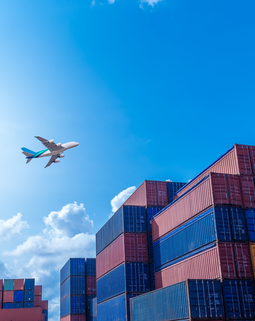
Furthermore, the integration of the Lobito Corridor rail network ensures that vehicles produced in the Angola LEV Assembly Hub can be efficiently exported to regional markets like the Democratic Republic of the Congo and Zambia, positioning Luanda as a primary automotive exporter for the AfCFTA (African Continental Free Trade Area).
A Vision For Sustainable Mobility
The ultimate goal of the Angola LEV Assembly Hub is to democratize electric mobility. By producing vehicles locally, the hub reduces the "total cost of ownership" for Angolan families and businesses, shielding them from the volatility of global fuel prices. As the nation expands its renewable energy capacity, these locally assembled LEVs will become the silent, clean backbone of a modernized Luanda.
Do you think local assembly is the key to making electric vehicles affordable for the average Angolan, or should the government focus more on import subsidies? Join the discussion and let us know your thoughts in the comments below!