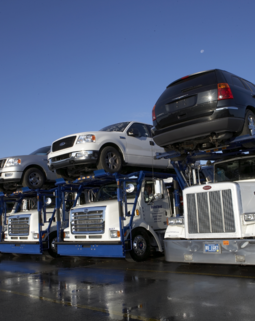



Angola’s automotive sector is entering 2026 facing a stark reality: only two out of every 100 Angolans plan to purchase a vehicle in the next two years. Despite recent investments in domestic Angola Car Market development, including the launch of Opaia Motors’ assembly plant, overall consumer confidence remains extremely low, driven by economic instability and high unemployment.
The trend highlights a disconnect between automotive supply growth and demand, as potential buyers struggle with purchasing power and ongoing inflation. Recent cuts to diesel subsidies and the rising cost of living have made car ownership increasingly unaffordable for most Angolans.
Economic Factors Impacting the Angola Car Market
Consumer confidence in Angola has been negative for more than five years, declining further in 2024 and remaining weak into 2026. The Consumer Confidence Indicator (CCI) ended 2024 at -19.7 points, with unemployment exacerbating the decline. With 78% of surveyed families unable to save money, only a very small fraction—2%—express plans to buy a car, while 11% consider buying or building a house.
This cautious outlook reflects deep economic uncertainty. Households are wary of committing to large purchases amid fears of inflation and rising prices for goods and services. Analysts note that even the most basic maintenance and operational costs for vehicles may deter new buyers, slowing growth in the Angola Car Market despite the availability of domestic assembly and imported models.
Car Ownership Trends in Angola
Opaia Motors’ new assembly plant and partnerships with Chery, Dongfeng, and Volvo have expanded local vehicle availability, including buses, sedans, and light trucks. While these initiatives are critical to developing the Angola Car Market, the reality is that local production alone cannot stimulate demand when purchasing power is limited.
Urban areas, such as Luanda and Benguela, show slightly higher interest in car purchases, mainly for work and transport needs. However, rural and lower-income households remain largely excluded, meaning market growth will depend on targeted financing, credit programs, and government incentives to increase affordability.
Comparing Angola with Regional Markets
Among African countries with available data, Angola displays the lowest consumer confidence in 2026, well below South Africa, Cape Verde, and Morocco. With the Angola Car Market affected by both economic and social constraints, car manufacturers and dealers may need to focus on smaller, affordable vehicles and leverage local assembly to reduce costs.
Platforms like AfricaCarNews continue to track developments in African automotive markets, providing insights into trends, local production, and new vehicle launches.
Outlook for the Angola Car Market
While the long-term outlook for Angola’s automotive industry remains promising due to domestic assembly and growing infrastructure, short-term car sales are likely to remain limited. Economic recovery, employment growth, and strategic subsidies will be key to revitalizing consumer interest and stimulating the Angola Car Market.
Do you think Angola can overcome economic hurdles to boost car ownership? Share your insights in the comments, and let’s explore the future of cars in Angola!